Women’s ODI World Cup 2025: Is India’s Finishing Woes a Mental Game?
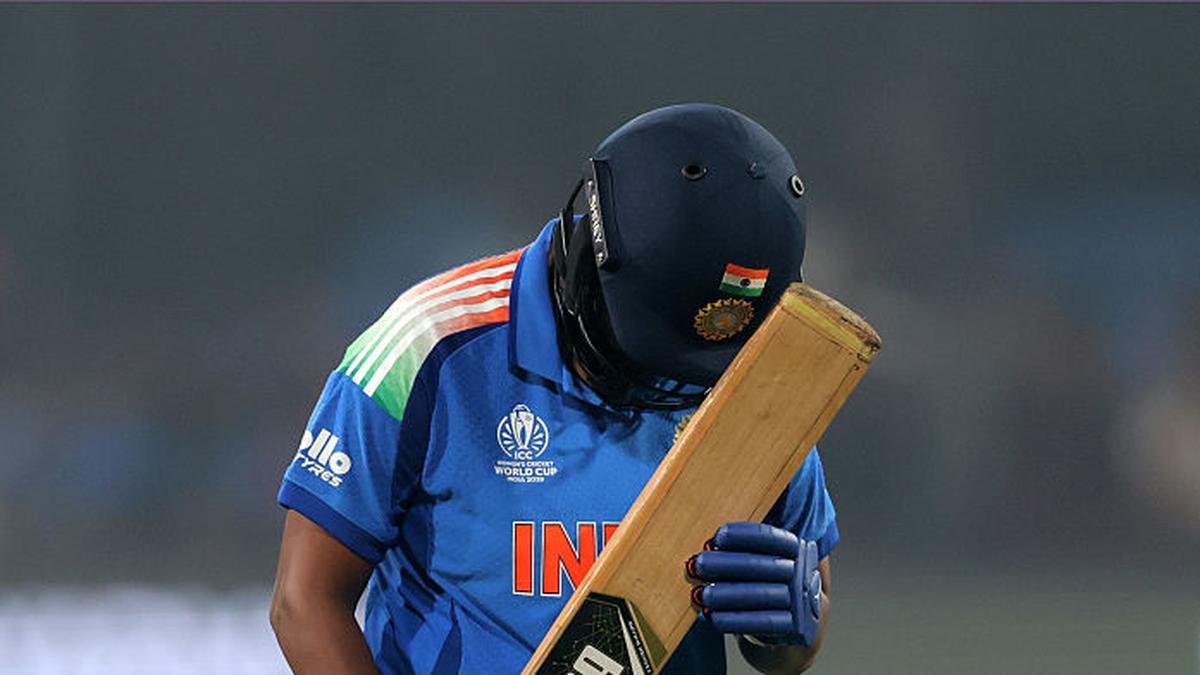
Jemimah Rodrigues’ reflections on India’s performance following their victories over Sri Lanka and Bangladesh offer compelling insights. She remarked, “It’s unsettling for our opponents to realize that we haven’t yet played our perfect match. In a lengthy tournament like this, it’s crucial to peak at the right moment.”
This highlights a challenge faced by many teams in ODI cricket, especially during the World Cup. Achieving a perfect match is rare, as attested by teams like Australia, South Africa, and England, who have secured their semifinal spots.
India finds itself in a dilemma, balancing batting and bowling lineups while contending with a series of ‘what-ifs.’ The most painful defeat was against England in Indore, where a seemingly easy chase of 27 runs off 18 balls unraveled. Despite introducing a sixth bowler, the strategy backfired.
Reflecting on the game, veterans acknowledged the mistake of not securing victory earlier, leaving it to the tail-end players. This lapse in judgment proved costly, despite the lower order’s strong performance throughout the tournament.
Deficiencies in bowling precision, fielding, and batting order decisions have intermittently plagued India, leaving them reliant on mathematical chances. The finishing woes against England hark back to the harrowing 2017 final at Lord’s.
After initial setbacks, Smriti Mandhana and captain Harmanpreet Kaur, aware of the risks posed by leaving out Jemimah for Renuka Singh, laid the groundwork for a straightforward win. However, they realized too late the mistake of not concluding the match early.
Despite the team’s experience—garnered from high-stakes matches, the Women’s Premier League, and enhanced training—a mindset hurdle remains. Ignoring underperformance could see India, competing for a final semifinal position, ill-equipped for the challenge ahead.
Published on October 21, 2025.









Post Comment