Sunil Gavaskar: Pakistan’s Delayed Start Tactics Marred the Game
The Asia Cup has predictably stirred up intense emotions that are unlikely to subside anytime soon. Whenever India and Pakistan face off in the sporting arena, the atmosphere is charged with tension, and each moment of the match adds to the excitement. This intensity is especially heightened during their cricket encounters, and given the recent conflict between the two nations just four months prior, emotions are particularly sensitive and easily provoked.
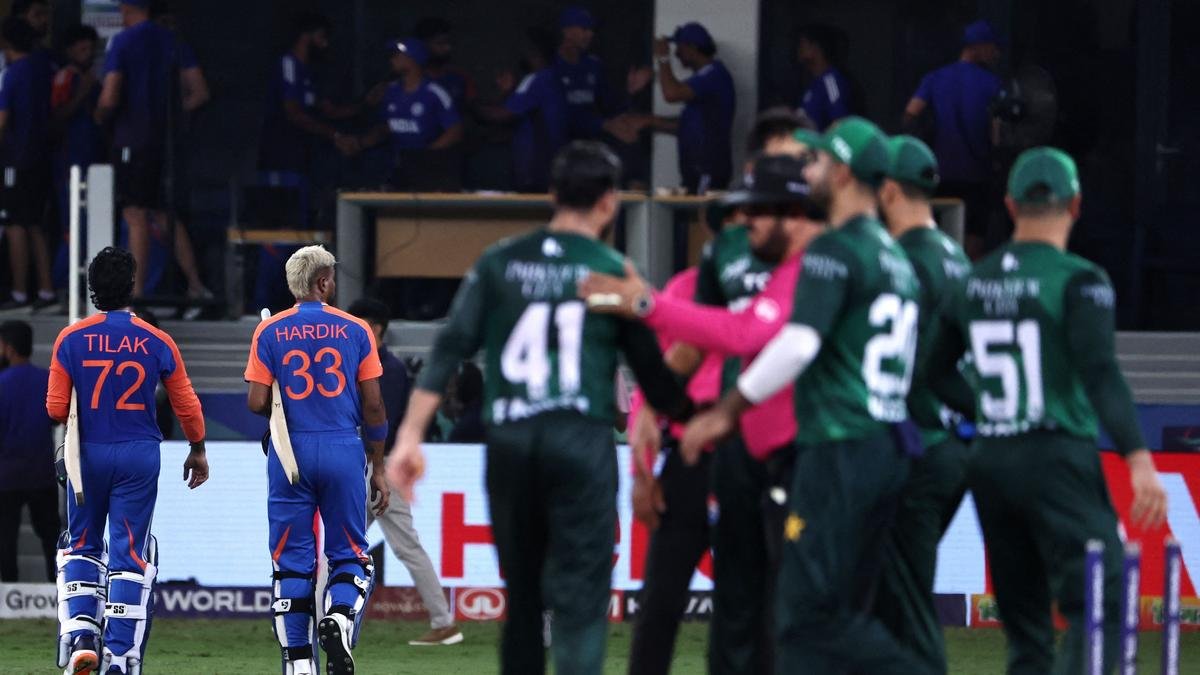
India’s choice to compete against Pakistan in the Asia Cup sparked widespread discussion within the country. Further controversy arose when the Indian team opted not to engage in any interactions with the Pakistani players, foregoing the traditional post-match handshakes that have become commonplace even in the most competitive of matches. The teams dispensed with the usual practice of lining up to shake hands after the game before returning to their respective dressing rooms.
It was puzzling that the Pakistan Cricket Board (PCB) expressed dissatisfaction over this, as there is no regulation mandating handshakes. Numerous examples exist across various sports where opponents choose not to shake hands following a match. The International Cricket Council (ICC) sensibly dismissed any protests that might have emerged, according to media coverage.
Attention should also be given to the Pakistani team’s failure to attend the mandatory pre-match media conference. While they were not obliged to send the captain, players, or coach, any member of the extensive support staff could have addressed the media. This noncompliance raises questions about potential consequences for neglecting this requirement.
Adding to the controversy was the delay in the start of the game by an hour, which left a negative impression. The PCB had two days between their loss to India and their game against the UAE to discuss matters with match referee Andy Pycroft. However, arriving at the ground late and pushing back the match for an hour over an apology demand, which was not stipulated in any rulebook, was unjustifiable. Despite the ICC clarifying that no apology was issued, the PCB claimed to have received one, citing the phrase ‘regrettable miscommunication’ as evidence.
To likely expedite the commencement of the match, officials might have used the term ‘regrettable’ when ‘avoidable’ would have been more appropriate, given there was nothing to apologize for regarding the match referee’s warnings about handshake intentions. If the referee did inform the Pakistani captain, it was likely to prevent an awkward situation. Suggesting otherwise indicates flawed reasoning. This incident illustrates that sport and politics can intersect, as demonstrated by the decision to delay the match. Such a precedent is undesirable, and it’s hoped that similar situations do not recur, where a team manipulates the timing of a game for political reasons.
In the subsequent match, Pakistan showed improved batting initially, but losing three wickets set them back. Despite a strong finish in the last three overs, they still fell 20 runs short of their target. India, driven by an exhilarating partnership between Abhishek Sharma and Shubman Gill, easily secured a victory, dashing Pakistan’s hopes. Talented batter Tilak Varma added to Pakistan’s woes by treating their lead bowler, Shaheen Shah Afridi, with apparent ease, sealing the match with deliveries to spare.
Ultimately, no handshakes were exchanged, only perplexed expressions from Pakistani bowlers as they pondered how to counter the Indian batsmen, who started the match with aggressive momentum. As a few days remain before India’s next game, it will be intriguing to see the justifications Pakistan might offer following another resounding defeat by their rival.
Published on Sep 23, 2025







Post Comment