Monsoons and Missed Chances: How Weather Ruled Colombo’s 2025 Women’s ODI World Cup
In Sri Lanka, October signifies the conclusion of Vassa, the three-month rain retreat observed by Buddhist monks. This period ends with the Kathina Cheewara Puja, during which devotees across the island present new robes and alms to the monastic community, a practice believed to attract blessings and merit. The country’s activities align with the receding monsoon.
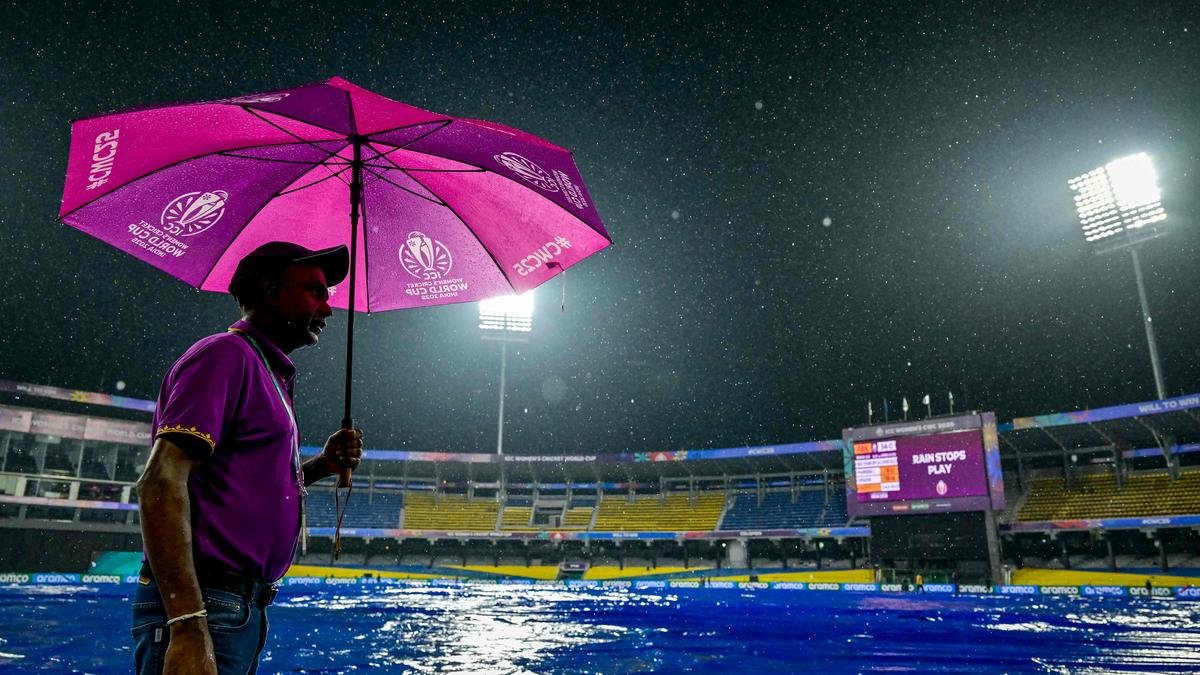
This year, the traditional rains took center stage at a different kind of event. As Colombo co-hosted the Women’s ODI World Cup 2025, the same downpours that dictate the spiritual calendar led to the cancellation of three matches, marking the second-highest number in the history of the tournament.
With one match still pending in the capital, this edition might match the unwanted record set in South Africa two decades ago when four games were abandoned. “During the last week of the festival, rains are typically more intense and considered auspicious. We conduct pujas at home or in temples to express gratitude for these showers. Although it’s unfortunate that the World Cup was disrupted, particularly for our home team,” remarked a local leaving a Buddhist temple.
Ruling the Day
The 2005 World Cup saw all eight teams endure two no-results, which leveled the playing field. This year, however, the story differs with teams like Pakistan, Sri Lanka, and New Zealand having two matches each rained out, while Australia and England both lost one match to the rain.
Bangladesh and host nation India completed their only matches at the R. Premadasa Stadium. South Africa fared the best, walking away with all four possible points.
For Sri Lanka, which aimed to leverage familiar conditions and home support, the tournament has become a frustrating waiting game, dictated more by weather forecasts than on-field enthusiasm.
Amidst it all, the ground staff were the true heroes, tirelessly managing the unpredictable weather. Their dedication even earned appreciation from the South African players who thanked them following their second victory, made possible by the crew’s ongoing efforts.
Frustrating Times
The common refrain from those impacted by the rains was concise: “There are many things you can’t control, and the weather is one of them.” “It’s unfortunate.” “The rains had the final say.”
New Zealand captain Sophie Devine was notably candid. Her team arrived in Colombo with momentum but never had the opportunity to bat. “It’s extremely frustrating. You wait four years for a World Cup, only to be thwarted by rain. I hope future editions consider starting earlier in the day,” she said.
“It’s regrettable, as England is the number two or three team in the world, and we were in a position to beat them had the match continued. Unfortunately, it was out of our control,” commented Sidra Nawaz, Pakistan’s wicketkeeper-batter, after their campaign-ending loss to South Africa.
Adding to the frustration is the timing — the monsoon is expected to subside just days after Colombo hosts the tournament’s final match. More than 287 overs have already been lost to the rains, highlighting the significant disruption caused. For the players, this means enduring waiting, frustration, and lost opportunities, but they continue with hope for kinder weather in the future.
Published on Oct 23, 2025









Post Comment