Monsoon Madness: Navigating Chaos and Humility in a World Cup at Home
Home World Cups have their unique charm. If you clinch the trophy, the magnitude of the achievement overshadows any prior mistakes, no matter how significant. For India, the third attempt was indeed the charm. Previous endeavors in 2005 and 2017 saw Mithali Raj leading two different teams filled with dreamers who dared to aim high but lacked the necessary arsenal to succeed. Back then, India trailed behind cricketing giants like Australia, England, and even New Zealand, with their lofty ambitions fading quietly.
However, the 2025 team was different – seasoned and resilient. Led by key players such as Harmanpreet Kaur, Smriti Mandhana, Jemimah Rodrigues, and Deepti Sharma, they had already faced numerous harsh realities in various World Cups and global events like the Commonwealth Games. This brought about a shift in their mindset. When vying for victory amidst the fervent expectations of home supporters, their approach shifted from wondering about victory to playing as though it was the only outcome.
ALSO READ | India beats South Africa to win Women’s ODI World Cup 2025 title
Late Course Corrections and a Stroke of Luck
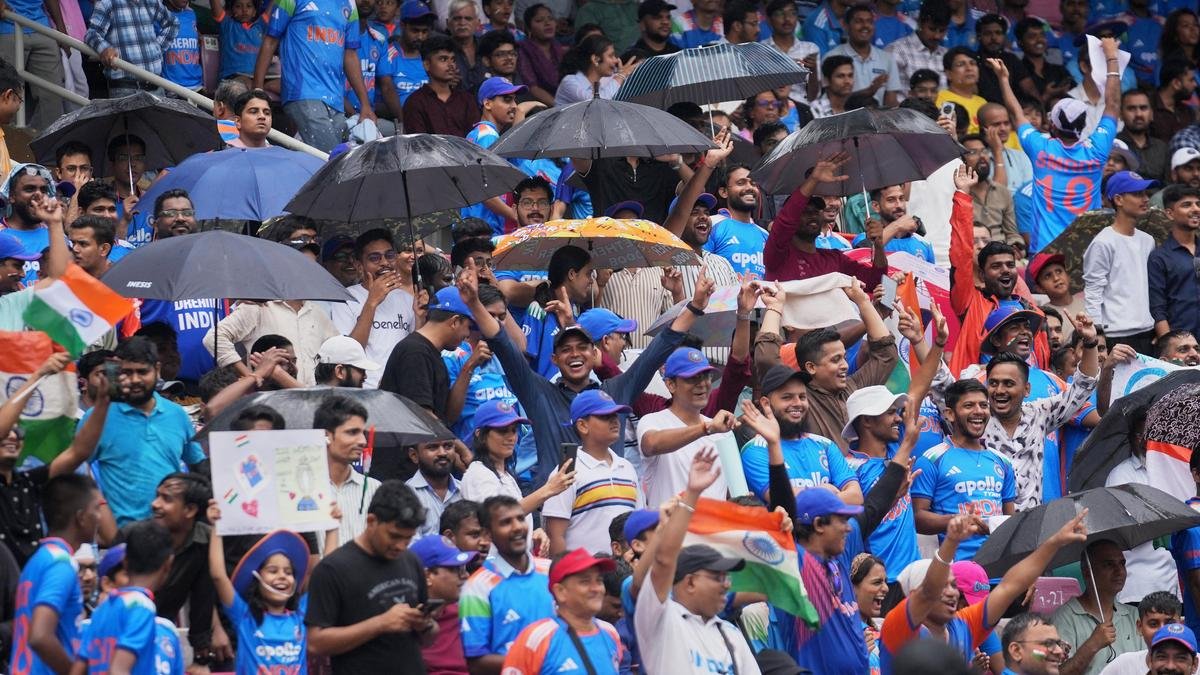
India’s championship journey wasn’t flawless. Losses to teams that reached the semifinals, balanced by progress aided by several rain-affected matches, particularly in Colombo, may not be an ideal strategy. Yet, India welcomed every bit of luck. With supporters rallying across venues, India managed to reach the knockouts, where they had two games to reaffirm their capabilities. A five-wicket victory against Australia, driven by Jemimah Rodrigues and Harmanpreet Kaur, followed by a 52-run win in the finals led by Shafali Verma and Deepti Sharma’s impressive performances, secured their triumph.
Could their journey to glory have been less tense? Definitely. Initially, India was reluctant to alter its playing strategy and struggled with batting issues, clinging to consistency over flair (as seen with Shafali). But recognizing their weaknesses and addressing them proved pivotal. Luckily, these corrections were made just in the nick of time.
Challenges in Hosting
The hosting by India and Sri Lanka was a mixed experience. Scheduling matches during the monsoon in typically wet regions undermined opportunities for up-and-coming teams, contradicting the essence of a ‘World Cup’. Additionally, foreign players faced unfortunate experiences regarding safety—highlighting significant concerns about public safety for women and who bears the responsibility for their protection.
India’s hosting of World Cups this decade has been criticized for poor organization. Crucially late announcements of venues and schedules reflect this trend. For instance, England started ticket sales and fan engagement initiatives for the Women’s T20 World Cup long before this event’s details were available.
Despite these challenges, the narratives of these pioneering women, who bear the regrets of those before them and hold the dreams of those after them, are what truly last. | Photo Credit: AP
Despite these challenges, the narratives of these pioneering women, who bear the regrets of those before them and hold the dreams of those after them, are what truly last. | Photo Credit:
Ticket sales at high prices, often reaching the black market, are part of the traditional sport culture in India, and it appears this will also apply to the women’s game. Nevertheless, the stories of these trailblazers—comprising both seasoned and budding players emerging from urban and rural backgrounds—endure. They have united to elevate the Indian flag proudly. For observers everywhere, this marks the beginning of a new chapter, not the end of a lengthy saga.
Published on Nov 03, 2025









Post Comment