Mastering the Spin: The True Test of Batting Excellence
Ranjan Madugalle has served as the ICC’s chief match referee for more than 20 years. Known for his stylish batting during his cricketing career in Sri Lanka, Madugalle is admired for his cheerful disposition and sharp sense of humor. As the ICC’s preferred choice for high-profile series and finals, he brings a fair yet firm approach, avoiding any sense of intimidation. His experience as a former top-level cricketer allows him to empathize with the players’ pressures, often overlooking minor infractions that others might penalize. This approach, coupled with his amiable personality, has earned him popularity among players across cricket teams. Therefore, his assessment of the Perth pitch as very good is unlikely to be contested widely.
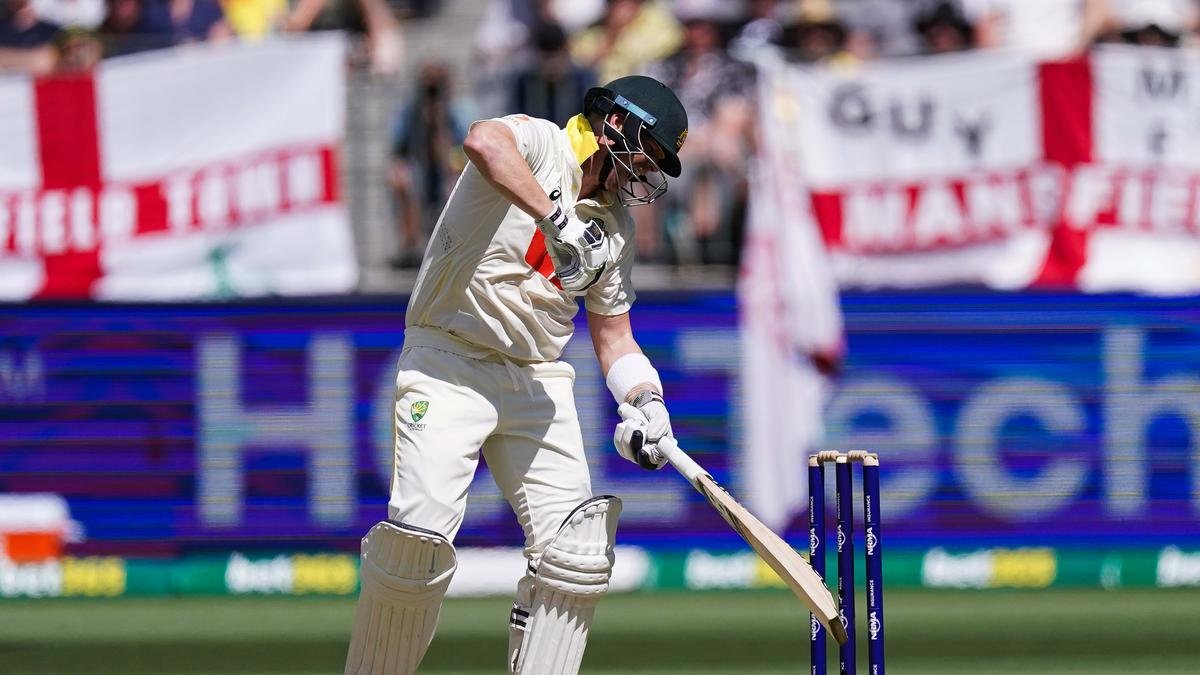
However, Usman Khawaja disagreed with this evaluation, describing the pitch as a ‘piece of rubbish’ after playing on it. He pointed out the alarming number of wickets—19 on the first day—and numerous players being struck by the ball as indicators of the pitch’s poor quality. Khawaja specifically noted how even the accomplished Steve Smith struggled, missing the ball and being hit on the elbow, highlighting the uneven bounce. Despite acknowledging that the pitch improves over subsequent days, Khawaja felt that the initial day’s conditions, as well as those witnessed in a previous year’s match involving India, were inexcusable.
Although Khawaja avoided any reprimand from Cricket Australia, his place in the team could be uncertain if he doesn’t perform at the Gabba Test. Travis Head’s unconventional century had already made a significant impact, even though it was achieved with shots more typical of limited-overs cricket. Nonetheless, it negated further criticisms of the pitch.
The prevalent view in cricket circles favors fast, bouncy pitches while often criticizing subcontinental pitches that offer turn and inconsistent bounce. This perspective, echoed by some, unfairly expects batters to demonstrate their capability primarily on fast surfaces. In contrast, playing on turning pitches demands more skill and footwork, going beyond mere front-foot or back-foot play. Such conditions require talent, and players must prove themselves in diverse environments to be truly considered great.
The double standards extend to bowlers too. While pace bowlers may be celebrated despite struggling on subcontinental pitches, spinners or batters from these regions face criticism if they don’t succeed on faster pitches. This inconsistency remains a source of exasperation and amusement.
The second Test approaches at the Gabba, known for its speed and bounce. A historic match there against South Africa ended swiftly due to extreme conditions, yet it escaped criticism. Explanations leaned towards errors in pitch preparation, but such understanding is not often extended to subcontinental venues.










Post Comment