IPL 2026 Auction: The Rise of Uncapped Gems Over Established Icons
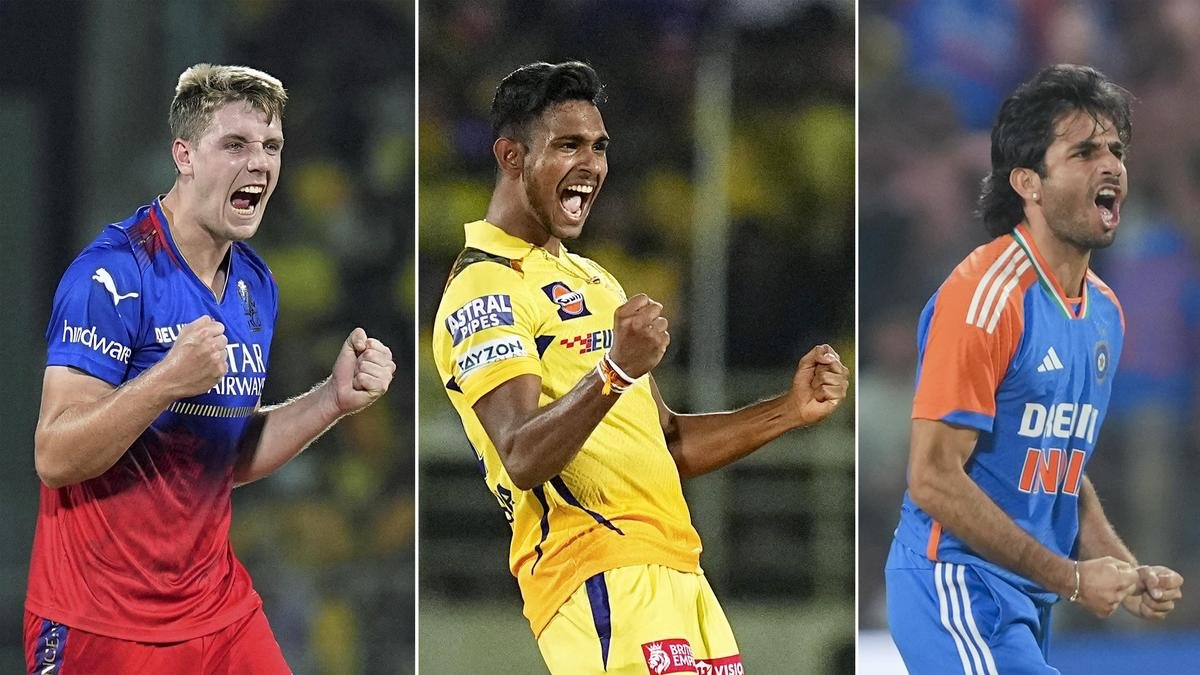
In the IPL 2026 auction, the 10 franchises spent a record Rs. 215.45 crore on 77 players, revealing a strategy of targeted signings driven by keen scouting efforts. Notably, the Kolkata Knight Riders (KKR) and Chennai Super Kings (CSK) were the most active, wielding the largest budgets.
Their strategies differed markedly. KKR concentrated on high-profile international players, while CSK invested in promising uncapped Indian talent.
International Acquisitions
KKR made significant investments with three of the top six highest-priced acquisitions: Cameron Green (Rs. 25.20 crore), Matheesha Pathirana (Rs. 18 crore), and Mustafizur Rahman (Rs. 9.20 crore). Green, now the third-highest paid player in IPL history, was highly sought after for his exceptional power-hitting and medium pace, resulting in a bidding war that KKR won.
Venky Mysore, KKR’s CEO, highlighted, “If it impacted our broader auction strategy negatively, we would have reconsidered. But his addition fits perfectly, especially with our new power coach Russell.”
KKR sees Green filling the void left by the retired Andre Russell, enhancing both their strategy and performance.
Risk vs Reward
While Green’s purchase was anticipated, Pathirana’s hefty price tag drew surprise. Despite a challenging IPL 2025 with just 13 wickets, KKR bets on him as a future death-over specialist. With them and Mustafizur, they strengthened an impressive pace lineup featuring talents like Akash Deep and Kartik Tyagi.
Youth-Centric Strategy
CSK’s auction approach marks a strategic shift. After a tough IPL 2025 start, the team brought in young players like Ayush Mhatre, Urvil Patel, and Dewald Brevis, who impacted immediately.
Continuing this youth emphasis, CSK invested heavily in uncapped players. All-rounder Prashant Veer from Uttar Pradesh and Rajasthan wicketkeeper Kartik Sharma emerged as the top uncapped earners with Rs. 14.2 crore each, setting auction records.
CSK coach Stephen Fleming acknowledged, “We needed a shift in strategy. The game evolved, and we realized we needed to adapt.”
Prashant might eventually replace Ravindra Jadeja, while Kartik’s addition, alongside other wicketkeepers like Sanju Samson, intensifies competition.
Demand for Domestic Pacers
Delhi Capitals acquired Jammu & Kashmir pacer Auqib Nabi for Rs. 8.4 crore, valuing his domestic performance and death-bowling prowess. Royal Challengers Bengaluru secured left-arm Mangesh Yadav for Rs. 5.20 crore, their second-biggest investment after Venkatesh Iyer.
Evolving Market Trends
The focus on domestic talent mirrored a conservative approach to overseas picks. Players like Liam Livingstone, Jake Fraser-McGurk, and Devon Conway faced initial tepid interest. Livingstone joined Sunrisers Hyderabad for Rs. 13 crore.
Indian players such as Prithvi Shaw and Sarfaraz Khan also initially struggled, eventually signing at their base price of Rs. 75 lakh, highlighting the league’s shift towards forward-looking investments over potential.
Market Dynamics
Established Indian players not currently in national team contention faced lower offers. Notably, Akash Deep and others sold at base prices. Valuations for Venkatesh Iyer and Ravi Bishnoi dropped considerably.
Uncapped Prospects
Uncapped Indian players gained ground, with Rs. 63.45 crore spent on them by franchises, accounting for 72.59% of the total investment in Indian talent. Several players from State T20 leagues, such as Prashant (UP T20 League) and others, attracted interest due to strong scouting networks.
With increasing scoring rates and challenging bowling conditions, the success of this new crop of T20 specialists is reshaping the IPL’s role as a global benchmark for modern cricket, offering a vital platform for emerging talent.
Published on Dec 17, 2025









Post Comment