Gary Stead Aims to Revitalize Andhra with a New Winning Mindset
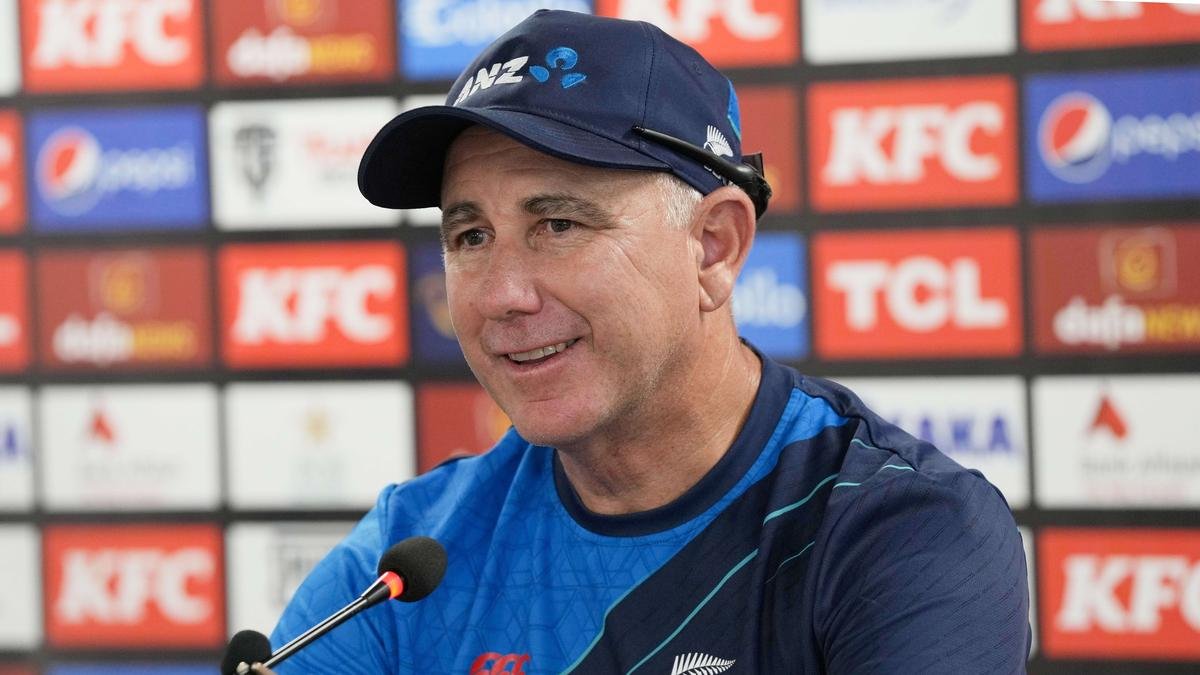
Gary Stead is gradually adjusting to his daily commutes between Visakhapatnam and Vizianagaram. During the hour-long journey, he optimizes his time by planning the training schedule, organizing the day’s nets session, and enjoying the picturesque views. Although Stead has previously visited India, this time presents a unique challenge. As the head coach of Andhra, he aims to introduce a new perspective and cultivate a winning culture within the team.
Stead, who spent nearly eight years with New Zealand, was instrumental in leading the team to significant victories, including the 2021 World Test Championship. Under his guidance, New Zealand cricket flourished, becoming a prominent force with Kane Williamson at the helm. Now, Stead aspires to replicate that success with Andhra, understanding that it’s a gradual process. In an exclusive conversation with Sportstar, Stead delves into his new role and his expectations for the young team.
What prompted you to accept this position?
I’m thrilled about this opportunity and eager to collaborate with Andhra’s staff and players to maximize their potential. Although the team hasn’t achieved top-level success in the Ranji Trophy yet, I hope to guide them toward greater achievements and elevate their status as cricketers.
With your extensive experience with New Zealand, which included winning the World Test Championship and making finals appearances, how do you plan to shape the Andhra team that boasts a mix of youth and experience?
The players and I are learning about each other, but there’s undeniable talent in Andhra. In recent weeks, I’ve observed a strong blend of batsmen, bowlers, and fast bowlers. With seasoned players like KS Bharat and Ricky Bhui leading, my goal is to encourage the team to play their best cricket, build confidence, and excel collectively.
Addressing the disparity between domestic and international cricket, how will you approach reducing this gap with the Andhra team?
India boasts a robust support network for cricket, and the local support staff has been incredibly welcoming. My role extends to enhancing their coaching skills. While I enjoy being hands-on, overseeing a large team requires a broad perspective. My focus is on rapid learning and development for players and staff.
Given the high expectations, how do you plan to manage them and set realistic targets?
I approach this role like any other, aiming to perform my best and bring out the best in the players. The challenge of adapting to an Indian setting is exciting, testing my coaching skills in a different cultural environment. Success isn’t guaranteed, but I’m hopeful.
With the Ranji Trophy played in phases, how do you view the challenge of format switching?
Most countries adopt this approach, and adapting to different formats is crucial for international play. It makes sense and aligns with our goals at Andhra.
Discussing the impact of seasoned players like Bharat, Bhui, and Nitish Kumar Reddy, how do you plan to leverage their presence?
Though I haven’t met Nitish due to his commitments with the Indian team, Bharat’s experience with India positions him as a leader within our squad. My approach remains consistent—working individually with players to identify strengths and address areas for growth. Experienced players guide the youngsters, but age isn’t a barrier; learning from experiences is key.
How do you plan to address player workload concerns during a demanding season?
Quick adaptation across formats is vital, and the world’s best players excel at it. We’ll aim for the same at Andhra. We’ve seen significant competition for places in our squad, which is encouraging.
Drawing from your experience with New Zealand, what lessons do you intend to apply here?
With over a decade of international coaching experience, I’ve worked with diverse players, building relationships is paramount. This foundation can accelerate our progress.
How will you overcome potential language barriers with players and staff?
Language can be challenging, but clear communication is essential. I encourage dialogue, ensuring mutual understanding through questions and feedback. It’s the coach’s role to facilitate this clarity and understanding.









Post Comment