From Train Struggles to Muddy Wounds: Purnima Rau on 90s Women’s Cricket Challenges
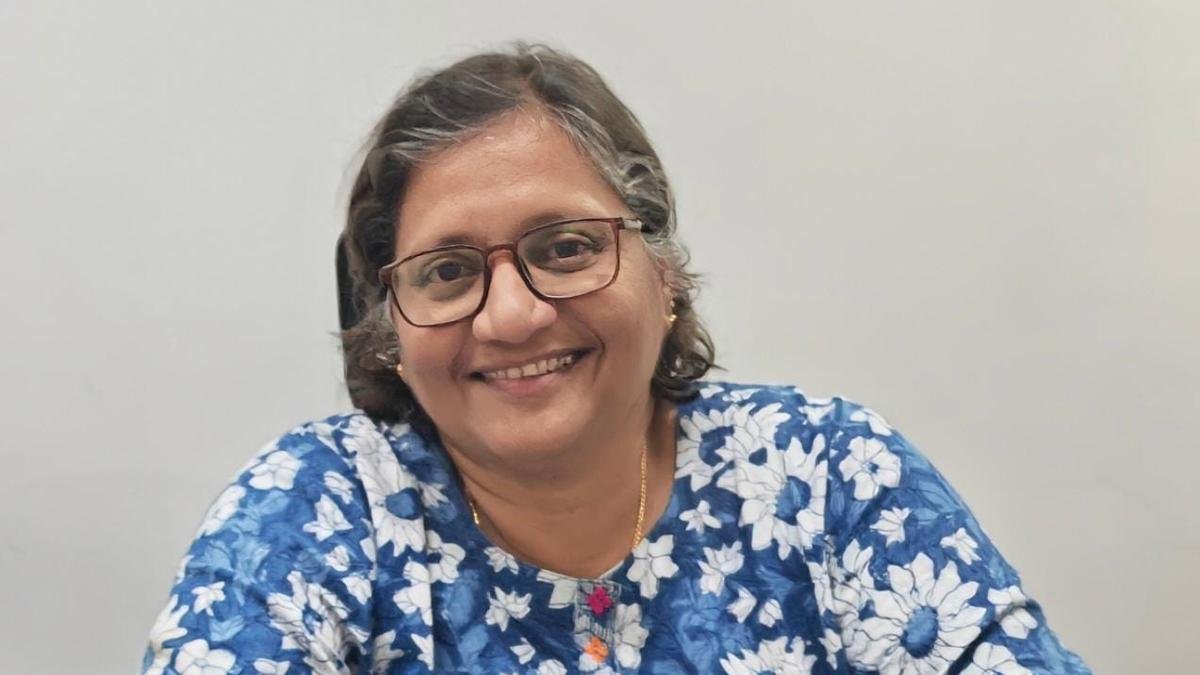
Since India achieved a historic victory by winning its first ICC Women’s World Cup on Sunday, it’s fitting to remember the trailblazers of women’s cricket, such as former India captain Purnima Rau, whose invaluable contributions were driven purely by passion and joy for the sport.
Many may not know that Purnima led India to its first overseas ODI series win in the 1995 Tri-Series against hosts New Zealand and Australia. Notably, under her guidance as head coach, India secured its first overseas T20I series win against Australia in 2016 when Mithali Raj was captain.
Reflecting on the recent World Cup final, Purnima expressed immense joy: “I’ve been waiting to see India win the World Cup for a long time. I couldn’t ask for more,” she remarked. “I felt on top of the world.”
“All credit goes to the entire Indian team, the BCCI, and the support system for orchestrating such a remarkable win,” she stated in a conversation on Monday.
### ‘Money Was Secondary’
Hailing from Hyderabad, Purnima was known for her no-nonsense attitude, whether on or off the field, and she played the game in a challenging era few can imagine today.
She recalled traveling with teams in trains, often in unreserved compartments, petitioning the Ticket Collector for a seat or berth for more comfortable journeys. Her meals often consisted of watermelon juice near stadiums, _gulab jamun_ at Jhansi station, sambhar from buckets also used for other purposes, and water from station platforms. Despite these conditions, the players remained remarkably healthy.
“We faced scoldings from parents, lecturers, family members, and friends for lugging kit bags around, playing on worn mats, and commuting long distances to practice, often with boys and with inadequate infrastructure,” said the former three-time World Cup participant.
Back then, the match fees were Rs. 1000 for ODIs and Rs. 2000 for Test matches, but money was a secondary consideration. It was the passion and love for the game that motivated us. We owe much to officials like the late TN Pillay, Shilu Ma’am from Chennai, the Nawab of Uttar Pradesh, and WCAI secretary Anuradha Dutt, who often financially supported our matches,” she recounted.
Purnima highlighted the challenge of not knowing when the next series would occur while training regularly. “We often had gaps of more than two years between series,” she mentioned.
She recalled India’s Test against England in 1986, with Sandhya Agarwal setting a World Record score of 190, only to face another long series hiatus until 1991. “It’s easy to see how many talented girls were lost to such extended breaks. Only those with determination survived that challenging period.”
“We played on uncovered pitches with subpar equipment, yet we relished those days. Women’s cricket today owes much to the sacrifices we made,” Purnima reminisced, praising her late coach Sampath Kumar, who also mentored Mithali Raj, for innovative solutions like using mud on wounds for quick healing.
Purnima, who played in five Tests and 33 ODIs between 1993 and 2000, credited the BCCI for professionalizing the game, investing in infrastructure, and developing the Women’s Premier League.
“I hope this incredible moment in Indian women’s cricket marks the start of many more memorable achievements,” she concluded.
Published on Nov 03, 2025









Post Comment