Building the Future: How WPL’s Legacy Shapes the Home Women’s World Cup
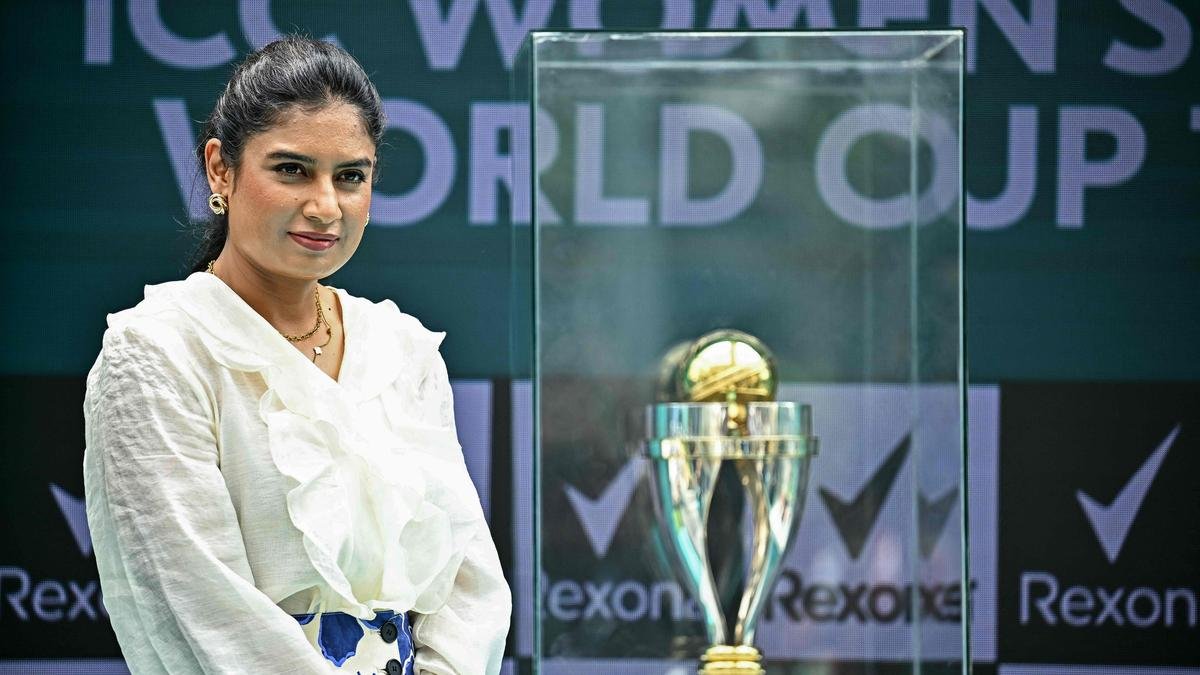
Mithali Raj is well-acquainted with pressure, having been a prominent figure alongside Jhulan Goswami for Indian women’s cricket. Leading India to two World Cup finals, her inaugural stint as captain saw her guiding the team to the final.
With India poised to be a strong contender as it hosts the Women’s ODI World Cup, Sportstar engaged with the former captain to discuss the growth of women’s cricket in India, the potential impact of hosting the ODI event, and more.
Q: Can you reflect on your experience as captain during the 2005 Women’s ODI World Cup when you were just 23, leading the team to the final against Australia?
A: I remember being the full-time captain for the first time, where batting contribution was crucial. At 23, I was among the youngest in a senior team with experienced ex-captains. My captaincy was supported by Anju Jain, Neetu David, and Deepa Marathe. My primary focus was on maintaining my performance as a batter.
The real captaincy challenges emerged post that World Cup, with each edition introducing a fresh set of players every four years.
Did reaching the final in 2005 change how your team or competitors perceived Indian women’s cricket?
It primarily shifted our self-perception. Our preparations were strong, having defeated New Zealand and competitively faced Australia. The mindset evolved after realizing our potential, though we still aimed for finals rather than victories then.
In 2017, India reached the finals again under your leadership. How did the team’s mindset and self-belief differ then?
By 2017, we were clear in our objective to win. Coached by Tushar Arothe, our focus was on victory rather than just reaching the finals. The team showed resilience through losses and contributions came from various players like Punam Raut, Smriti Mandhana, and Harmanpreet Kaur.
India is now a dominant contender for this World Cup. How do you feel witnessing this growth?
This development was expected, following the advancements in domestic leagues and international exposure. This fosters better game awareness and confidence among both national and domestic players.
Reflecting on your career’s long gaps between series, do you have any regrets?
Only when asked do I compare to the current scenario, realizing I could’ve had a quicker growth and more opportunities. We often started from scratch due to sparse fixtures, contrasting with today’s regular play. The newer generations benefit significantly from consistent exposure and development.
How do you view the increased A tours for both men’s and women’s teams?
The establishment of a strong player pool is visible now. The Centre of Excellence and focused camps play significant roles in nurturing upcoming talent.
What are your standout memories from hosting past World Cups in India?
In 1997, the gravity of a home World Cup was beyond my understanding as a young player. By 2013, while the event lacked external buzz, the cricket community was aware of its significance.
Do you think this World Cup will affect the legacy of women’s cricket in India, considering the venue choices?
Promotions and successful preceding series have laid a positive groundwork. Today’s improved surfaces allow scores that engage audiences and demonstrate the growth of women’s cricket.
Given the frequent T20 World Cups, how does the ODI World Cup retain its prestige?
The ODI World Cup remains a pinnacle event due to its less frequent schedule and the trend evolution it presents every four years, making it a crucial tournament, especially without regular Test series.
For long-standing captains like you or contemporaries like Chamari Athapaththu, what advice would you give them?
Seeking mentorship could have eased my journey. Leaders today face immense scrutiny and maintaining a balance between personal growth and leadership duties is essential.
Managing the tactical and emotional aspects of a World Cup, especially for those considering retirement, what was your experience like?
By 2022, I was ready to step away, understanding the importance of quitting at my best. This balance is essential for future generations to learn and execute.
Regarding India’s current bowling reserves for the World Cup, what are your thoughts?
Although we lack extreme pace, our spin department, led by experienced players like Deepti Sharma and Sneh Rana, shows promise. The team banks on a strong batting lineup to support the bowling unit.
How can state associations leverage World Cup participants during the tournament?
State associations hosting games should facilitate live viewership for players, organize training sessions, and encourage interaction with the teams to gain insights and inspiration.
The 412-run game – is this an exception or the future?
Such high scores depend significantly on surface conditions. While 300-350 is now the target range for teams, further growth is expected, though not immediate.
How can tier two teams, like Sri Lanka or Bangladesh, bridge the competitive gap with elite teams?
Regular exposure in international series and participation in global leagues is critical. Support must be consistent beyond standout players to foster comprehensive team development.
Published on Sep 29, 2025








Post Comment