Behind Closed Doors: Emails Reveal USA Cricket Board Turmoil
USA CRICKET
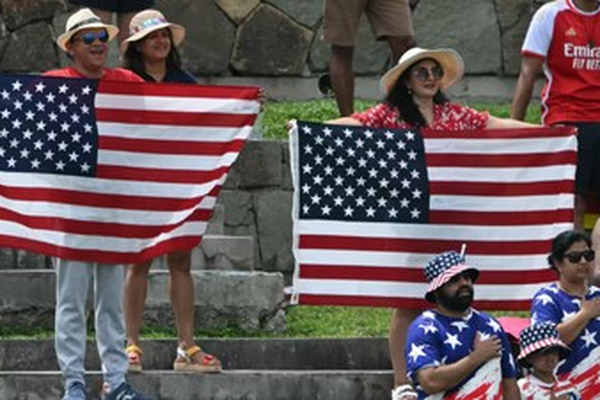
While constitutional questions brew, players, coaches, and vendors are left uninformed © Sportzpics
A review of internal USA Cricket (USAC) emails by Cricbuzz reveals a board embroiled in conflict, with members accusing each other of deception and threatening personal liability. Meanwhile, players and staff remain uncertain about upcoming events and leadership clarity. These emails were obtained from multiple sources.
Central to this conflict is USAC’s erratic decision-making regarding its agreement with American Cricket Enterprises (ACE), a crucial financial supporter of its programs. USAC initially announced the termination of the ACE agreement on August 21 but later rescinded this decision, as first reported by Cricbuzz. This action was confirmed by USAC’s legal counsel, although several board members claim they were not informed.
Highlights from the emails
– Accusations within the board: Director Nadia Gruny alleged Chair Venu Pisike withheld crucial information and was dishonest, labeling it a significant governance failure. Director Atul Rai questioned Pisike about misleading the board during a prior meeting.
– Withheld decisions: Gruny noted that minutes and decisions from a meeting held almost two weeks ago were not shared with absent directors, hindering their fiduciary responsibilities.
– Legal threats among colleagues: Gruny cautioned that restricting information to select directors could result in personal liability. Director David Haubert cited “closed session” confidentiality and mentioned potential consequences for missing meetings and sharing confidential discussions.
– Confusion surrounding agreements and programs: Gruny requested clarity on the U.S. women’s T20I series against West Indies in October, noting overdue payments and lack of communication.
– Senior officers accused of gatekeeping: Pisike advised Gruny to consult the CEO initially, dismissed reports of the rescission as false, and directed her to seek clarifications from CEO Johnathan Atkeison. Gruny contested that officers lacked constitutional legitimacy. Furthermore, directors were informed by Pisike, Atkeison, and USAC legal counsel Sesha Kalapatapu that the matters were confidential.
Why this is significant
This dispute is more than procedural. Insiders indicated that USAC’s financial reserves are limited, making clarity on ACE funding crucial for national-team operations and financial obligations. The emails highlight uncertainties regarding upcoming events, including the Grand Prairie women’s T20I series, and fears of potential financial insolvency without new funding.
This turmoil continues a history of governance challenges. The previous governing body, USA Cricket Association (USACA), faced suspension and termination by the ICC in 2017. Recently, the ICC issued USAC a governance notice in July 2024, followed by a three-month deadline for reforms in July 2025, with the risk of suspension. The ICC has also suggested a full board resignation as part of the measures to secure USOPC certification for the LA28 games, and the USOPC separately recommended the resignation of USAC’s independent directors.
Implications
– Impact on national teams and events: Lack of clear resolutions threatens the organization of upcoming camps and international series, particularly affecting the women’s team, where communication lapses are impacting athletes and staff. This situation is dire considering the recent strong performances of USA teams, especially with the 2026 World Cup in India approaching.
– Fiduciary and legal responsibilities: Directors are warning of individual liability as they dispute the legitimacy of office-holders and what information can be shared outside closed sessions.
– Credibility with funders and partners: Given ACE’s historical financial role, inconsistent signals regarding their agreement exacerbate uncertainty, especially as USAC faces a tight funding horizon.
The emails illustrate a fragmented leadership: a chair emphasizing secrecy, a CEO seen as a gatekeeper, directors alleging concealment and illegitimacy, and an external partner presenting a legally-backed situation that some directors claim was not shared with them. With constitutional dilemmas lingering, stakeholders remain in the dark.
© Cricbuzz









Post Comment