Asia Cup Chronicles: Harmony of Dubai’s Order and Indo-Pak Rivalry’s Turbulence
In the regimented streets of Dubai, even in the dead of night, supercars obey traffic lights at deserted intersections. This city, where discipline and safety are paramount, demonstrated its orderliness when my diary experienced an anxious moment upon arriving — leaving a backpack with important legal and government documents in an airport taxi. The hotel concierge calmly reassured us with the words, “Nothing goes missing in Dubai.” True to the city’s reputation, the bag was returned within thirty minutes.
However, the ongoing Asia Cup has stirred up a storm of chaos, with the focus shifting from the cricket pitch to the heated rivalry between India and Pakistan. The established cricketing order has been disrupted, turning the usual dynamics on their heads.
A typically unnoticed figure, the match referee, has found himself in the spotlight as geopolitical tensions between these two nations recently surfaced during the tournament. Andy Pycroft, who has been a moral adjudicator in the sport since 2009, sparked controversy when he allegedly requested that the captains of India and Pakistan forgo the customary handshake during the toss. This incident, dubbed ‘handshake gate,’ brought Pycroft, a 69-year-old Zimbabwean, into the public eye as the ICC decided he would continue as the match referee for Pakistan’s subsequent games against the UAE and India.
The decision not to engage in a handshake left Pakistan displeased, yet, in a twist of irony, they delayed a match against the UAE by an hour at the behest of Pakistan Cricket Board (PCB) chairman, Mohsin Naqvi. Such antics usually warrant a walkover in professional sports, but in the fiercely contested Asia Cup, these delays underline the tournament’s perceived emphasis on capitalizing on the India-Pakistan rivalry.
Amidst calls from Indian fans to boycott the match against Pakistan and threats from the PCB to withdraw, economic interests prevailed over intermittent animosities. Media from both nations found common ground, exchanging insights and camaraderie, even as Pakistan canceled consecutive pre-match press conferences, enforcing the only boycott seen at the event.
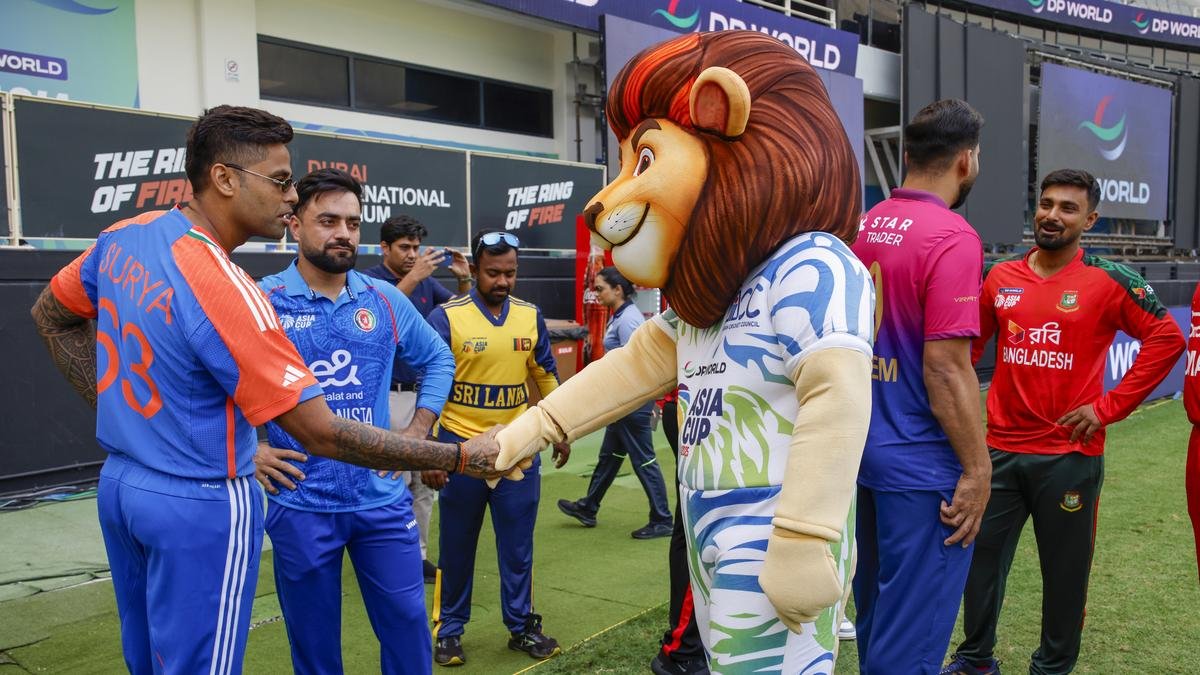
The press conferences that did take place were prefaced by a caution against political inquiries, but Suryakumar Yadav, with his light-hearted and candid demeanor, eased tensions. Leading the team under such strain, he maintained an amiable smile during interactions. Even after the media’s allocated time expired, he encouraged further questions, inviting them with a breezy, “Ask freely.”
Just days after celebrating his birthday on September 14, Suryakumar engaged with the Indian journalists present, cutting a cake and posing for photos after an intense training session at the ICC Academy.
His poised and composed nature recalls the timeless words of Rudyard Kipling, “If all men count with you, but none too much,” from his famous poem ‘If’. Suryakumar embodies this ideal, offering respect even in humor, and providing straightforward advice: “Close your room, switch off your phone, and sleep,” suggesting a way to drown out the noise of daily life.
Perhaps closest to brokering peace between the two nations, Suryakumar casually declared that the India-Pakistan cricket clash is “not a rivalry anymore” following India’s succession of victories over Salman Agha’s team. This comment created a temporary stir, providing the Indian media with headlines and leaving a reflective hush among the Pakistani journalists.
The fraught dynamic between these neighboring countries requires Dubai’s strategic hospitality for equilibrium. Unsurprisingly, five of their last ten meetings have been held in the UAE, a place where expatriates from both nations live side by side. With Dubai Police issuing frequent Public Safety Alerts urging compliance during India-Pakistan matches, opportunities for unruly behavior are minimal.
While India appears to dominate T20I cricket, the Asia Cup has turned into a contest for the title of ‘Asia’s second-best team.’ Though that debate continues, Dubai certainly stands out as a leading contender for ‘Asia’s best host.’








Post Comment