From Grassroots to Glory: The Economic Rise of India’s Women’s Cricket
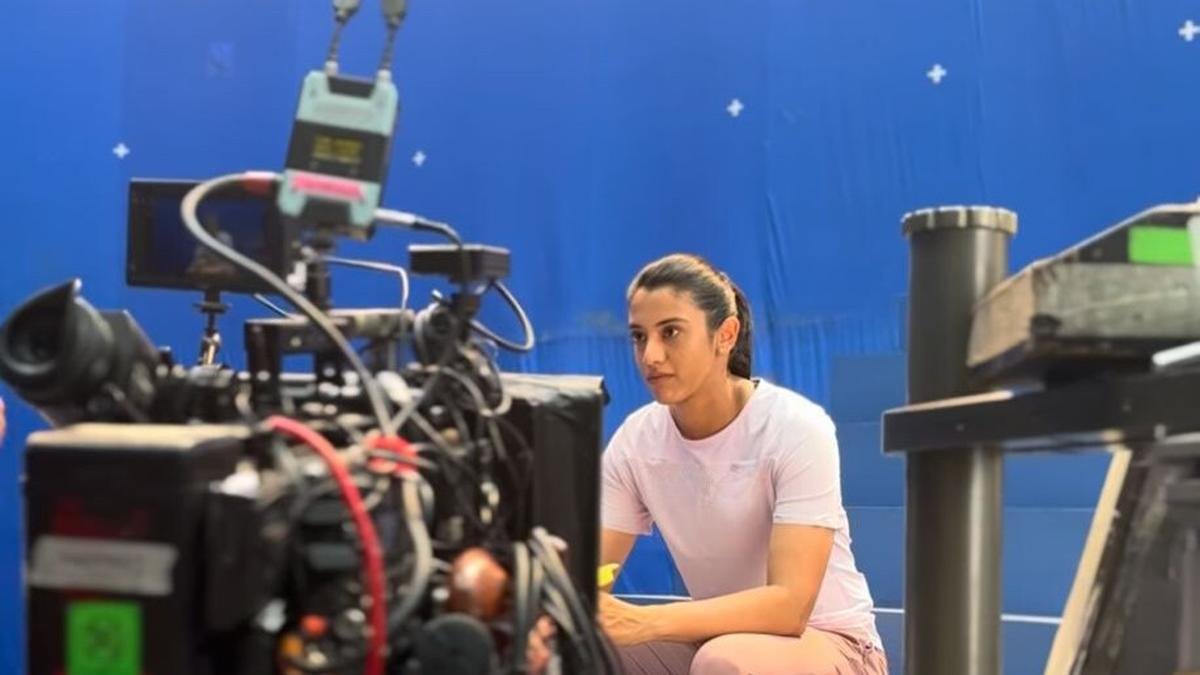
Shubhangi Kulkarni was a standout during her playing career, drawing local crowds eager to watch her dominate the competition. Prior to taking on significant roles within the BCCI, Shubhangi was already involved in securing sponsorships for the team she played for.
“It was incredibly challenging. We mostly relied on personal connections rather than a grand vision for women’s cricket,” she shared with Sportstar.
Recalling an 80s match in Jalandhar, known for cricket equipment manufacturing, she said, “My family’s involvement in business and manufacturing piqued my interest. Visiting a factory sparked the idea for Sunny Sports Boutique, which I now run.”
“Sunny Sports produced apparel for top players like Shantha Rangaswamy, Sudha Shah, Sandhya Agarwal, and myself,” Kulkarni said. This was around the same time SG started sponsoring male players like Sunil Gavaskar and later expanded to support female players by providing free kits in an era lacking financial allowances or match fees.
Shubhangi faced financial hardships after her retirement in 1991. While India occasionally played against teams like Australia and New Zealand, funds for international tours and training camps dwindled. Shubhangi sometimes considered dipping into her savings, and as former captain Mithali Raj later disclosed, players often pooled their resources to support tours. Assistance from NRI families in New Zealand and social support from figures like Nutan Gavaskar were crucial during the 90s.
Sponsorships finally began to improve in 2002 when Sahara sponsored the women’s team, and actress Mandira Bedi contributed financially before the 2005 World Cup. In 2006, the WCAI merged with the BCCI as women’s cricket aligned with the International Cricket Council.
Three pivotal moments propelled Indian women’s cricket forward: the 2017 Women’s World Cup, the launch of the Women’s Premier League in 2023, and India’s victory in the 2025 Women’s ODI World Cup.
The 2017 Women’s World Cup was a turning point, broadcasting every match. India reaching the final amplified interest, with an estimated 180 million viewers worldwide. This surge attracted sponsorships and endorsements as brands began recognizing the potential of female athletes.
Tuhin Mishra, CEO of Baseline Ventures, explained, “We aimed to explore sports beyond men’s cricket. Women’s cricket’s true value can only be realized when it stands on its own.” Post-2017 World Cup, Baseline signed Smriti Mandhana, foreseeing her rise as a global cricket icon.
The commercial success continued with the Women’s Premier League. The BCCI’s auction of league franchises for USD 575 million underscored its viability. The Viacom 18 securing media rights further solidified the league as a pioneering enterprise, drawing large crowds and transforming the perception and scale of women’s cricket.
Social initiatives have also found a platform, with collaborations for societal causes and increased commercial endorsements. The WPL fostered a new fan base, with matches drawing record crowds, and increased player popularity and financial gains.
Looking forward, India’s women cricketers have become significant figures in advertising and public engagements, reflecting their growing influence in the sports industry. The WPL has offered alternative career paths, ensuring that even players not representing India have opportunities within the sport, as interest in women’s cricket continues to grow, marking a new era of equality and recognition.








Post Comment