Beyond Boundaries: Tim Wigmore’s Essential Journey Through the Heart of Test Cricket
“Test cricket is the most brutal game.” This opening line captures the essence of Tim Wigmore’s captivating work.
Test cricket, with its complexity, is unparalleled in the sport, and Wigmore presents a heartfelt homage that resonates with traditional cricket enthusiasts.
He posits that while “Test cricket is often criticized as the most traditional format, seemingly untouched by the world’s changes, its adaptability has ensured its endurance.” This couldn’t be truer.
Wigmore meticulously chronicles the evolution of the game from its inception to its current struggles for relevance in the T20 era.
He underscores Test cricket’s critical role in the sport’s existence and future. With thorough research, Wigmore offers a historical journey enriched with facts and memorable characters that make the narrative compelling.
The legendary Tied Test of 1960 stands at the heart of the book. Australia and the West Indies delivered what is arguably the greatest Test match, showcasing every element of the game’s beauty. It featured remarkable batting, bowling, and spectacular fielding. With Richie Benaud and Frank Worrell exemplifying leadership, the match evoked a spirit that delighted fans at the Gabba. As Wigmore puts it, it was Cricket, Lovely Cricket.
Also read | Ranji Trophy 2025-26 preview
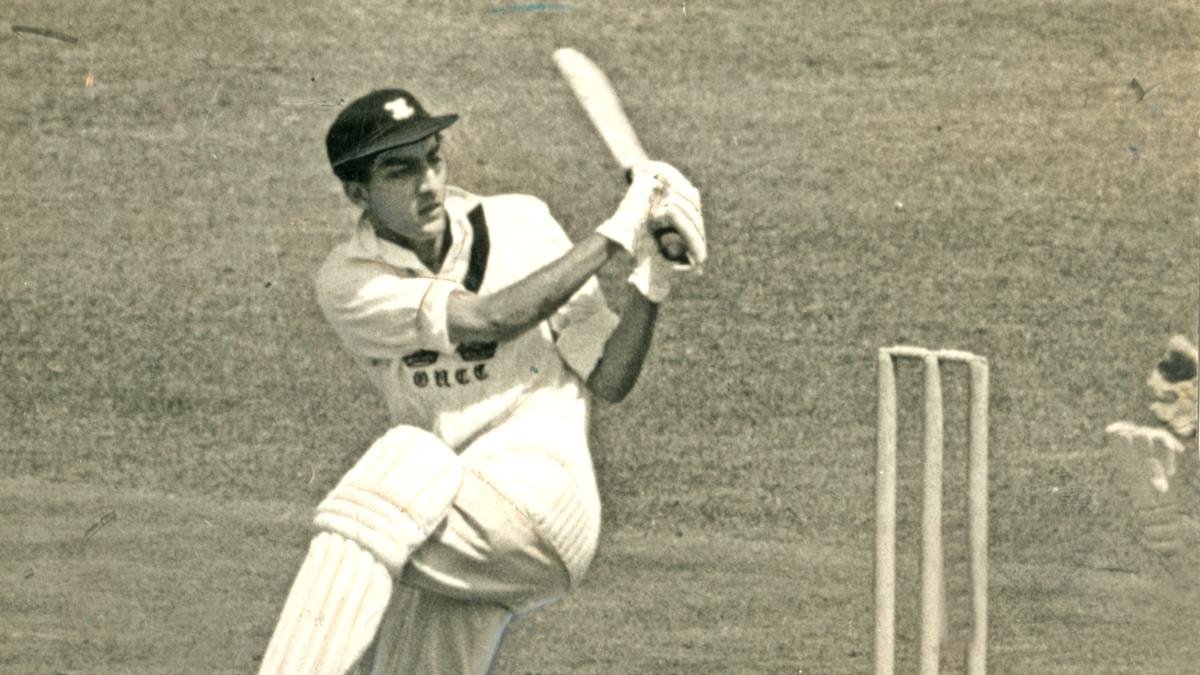
For fans of Indian cricket, Wigmore dedicates a section to Tiger Pataudi and the iconic spin quartet – BS Bedi, S Venkataraghavan, EAS Prasanna, and BS Chandrasekhar. He fondly recounts Pataudi’s captaincy debut at age 21. “Leading any team is challenging, but India is particularly so, with its diverse backgrounds, languages, and cultures,” Pataudi is quoted. Wigmore details India’s 1971 Oval triumph with engaging insights.
Wigmore explores the West Indies’ ascension, highlighting their formidable fast bowlers and the batting prowess and influence of Viv Richards.
As the narrative moves to the modern era, Wigmore delves into the science behind reverse swing, featuring insights from Rabindra Mehta, a sports aerodynamics consultant and former NASA scientist, who advised the Australian and England cricket boards. Mehta explains that reverse swing is achieved by creating an uneven surface on the ball’s dry, rough side. The chapter, titled The Oracle: The Story of the Reverse Swing, stands out for its technical depth.
Shane Warne’s influence on reviving leg spin is noted, making for one of the book’s most engaging chapters, which also discusses the match-fixing scandals in How To Buy A Test Match.
Wigmore excels in his coverage of Sachin Tendulkar, tracing his journey from Mumbai’s maidans. He vividly recalls India’s 2001 Test victory against Australia at Eden Gardens and Virender Sehwag’s 2004 triple century against Pakistan. “Not even (Victor) Trumper scored as quickly as Sehwag,” Wigmore observes.
The book also pays homage to Sri Lanka and Bangladesh and rightfully celebrates Afghanistan’s rise in white-ball cricket. This engrossing book is essential for fans to deepen their understanding of the game and appreciate the esteemed position of Test cricket.
Test Cricket, A History.
Published by Quercus Books/Hachette India
Published on Oct 15, 2025









Post Comment