Arifa Jahan Bithi: Pioneering a New Era for Women’s Cricket in Bangladesh
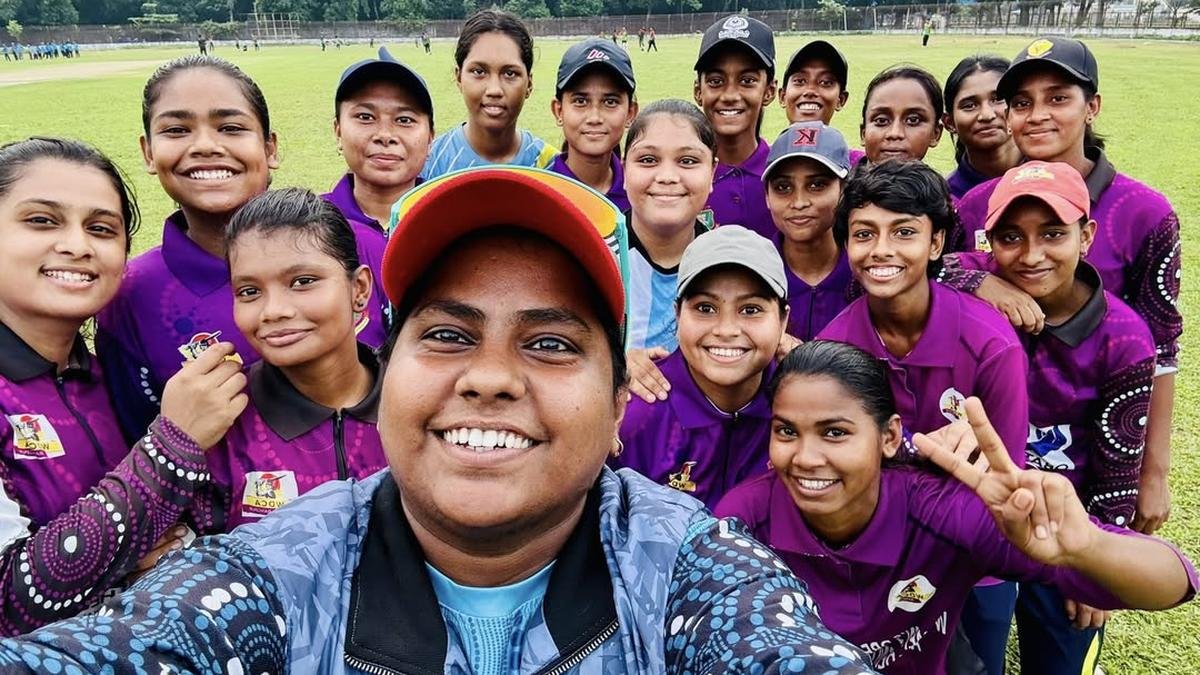
When Bangladesh won the bid to host the Women’s T20 World Cup in 2024, the local cricket community eagerly embraced the challenge, seeing it as a prime opportunity to elevate the profile of women’s cricket both economically and culturally. However, due to a government overthrow and subsequent social unrest, the event was relocated to the UAE, prioritizing player safety. This shift undid months of efforts in planning, promotional activities, and advocacy from players both domestically and internationally.
Arifa Jahan Bithi, who established the pioneering Women’s Dreamer Cricket Academy in Rangpur—the nation’s first dedicated academy for women—saw a missed chance to change perceptions about girls playing cricket in Bangladesh. “There is interest, but women’s cricket still doesn’t capture much attention,” she told Sportstar regarding the nation’s indifference towards the ongoing Women’s ODI World Cup campaign in India and Sri Lanka. “Many people here are still unaware that women play cricket.”
Arifa’s academy, where she coaches over 350 girls for free, was established with the permission of a local cricket secretary allowing her the use of a community ground. “The land isn’t mine. Everything else the academy and players need comes from my savings,” she explained. Her students participate across various levels including first and second divisions, the Dhaka Premier League, and U-16 and U-19 categories, with two making it to the national camp.
She highlights, “Our culture remains largely conservative. There isn’t much support for women in cricket, and establishing something like this lacked backing.” Arifa gained attention during the pandemic by sharing images of Bangladesh’s pace star Marufa Akter helping her father in the paddy fields. This act garnered support for Marufa, highlighting the evolving but challenging journey for women athletes in Bangladesh.
The development of players like Marufa has mirrored the necessary evolution of sporting systems in the country. Stigma once surrounded women in sports, especially interactions and the need for attire functional for cricket. Addressing topics like strength training and muscle building has been a challenging discourse at the grassroots level. Arifa elaborated, “We lack facilities focusing on power hitting at the fundamental level. Previously, there were no gym sessions or specialized routines; we just focused on bowling, batting, and technique.”
While Arifa has been a prominent supporter, Marufa was not formally trained by her. Nevertheless, Arifa has learned from the paths walked by Marufa and others. “Cricket needs to infiltrate school and district levels. Currently, it’s mostly emerging from college levels in Bangladesh. Expanding to schools will bolster our player pool,” she noted. “The resources and cricketing structures available to boys need to be mirrored in women’s cricket. Most schools don’t offer cricket for girls, and that change is crucial.”
Despite the obstacles, Arifa is optimistic, especially after Bangladesh’s victory over Pakistan by seven wickets in their second ODI World Cup appearance. She is hopeful that positive experiences can bolster the future of cricket for women in Bangladesh both on and off the field. “Through my work, talents like Marufa, and the accomplishments of the national women’s team, I want our country to recognize that girls are equally capable. They can become professional cricketers and compete internationally,” she concluded.
Published on Oct 07, 2025









Post Comment